Description
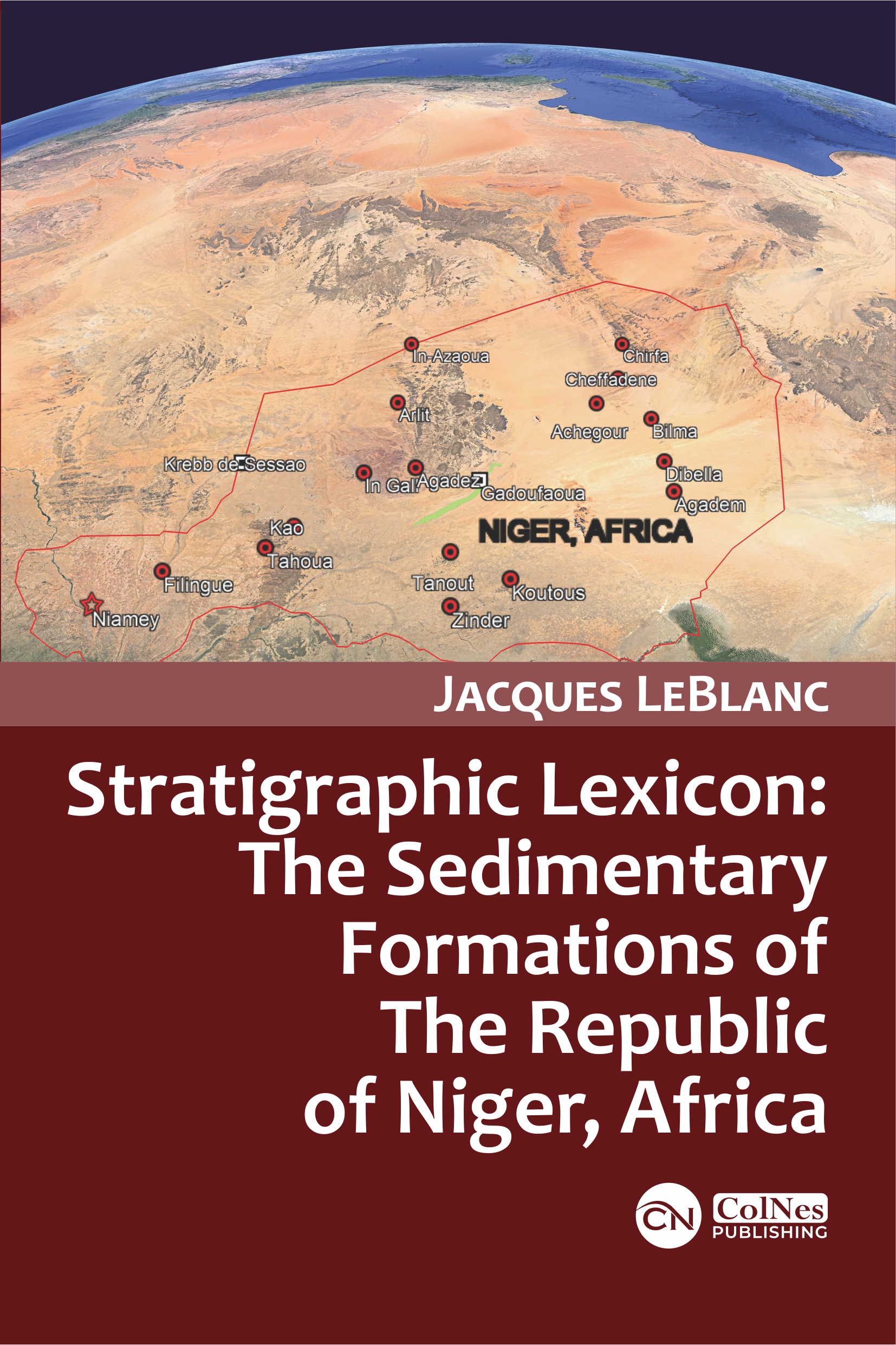
The current knowledge of the stratigraphy of Niger benefited greatly from the mining, hydrocarbon, hydrogeological, and paleontological sciences. Exploration by early explorers and studies of the aquifers initially sparked our understanding of the surface and shallow formations. Then, the discoveries in 1957 of important reserves of Uranium and soon after in 1964 of the enormous Lower Cretaceous vertebrate site of Gadoufaoua, stressed the need to undertake serious stratigraphical investigations in the western Iullemmeden Basin. The geologist Hughes Faure then published his important, and still relevant, 1966 thesis on the surface geology of Eastern Niger. From that time onward, the Oil & Gas companies started paying attention to the most prospective areas in the Eastern Niger Basin. During the last decade, these same hydrocarbon companies finally allowed some of their geologists to share their knowledge of the sub-surface in relevant publications. It is from all these studies that the present Lexicon draws its content. When possible, it provides the historical background of all described geological units in Niger and summarizes the lithological and paleontological knowledge of each unit in an easy-to-search format.
- Introduction
- Understanding the Lexicon
- Terminology and Definitions
- A brief geological outline of Niger
- The Sedimentary Basins of Niger
- Paleontology
- Lexicon